

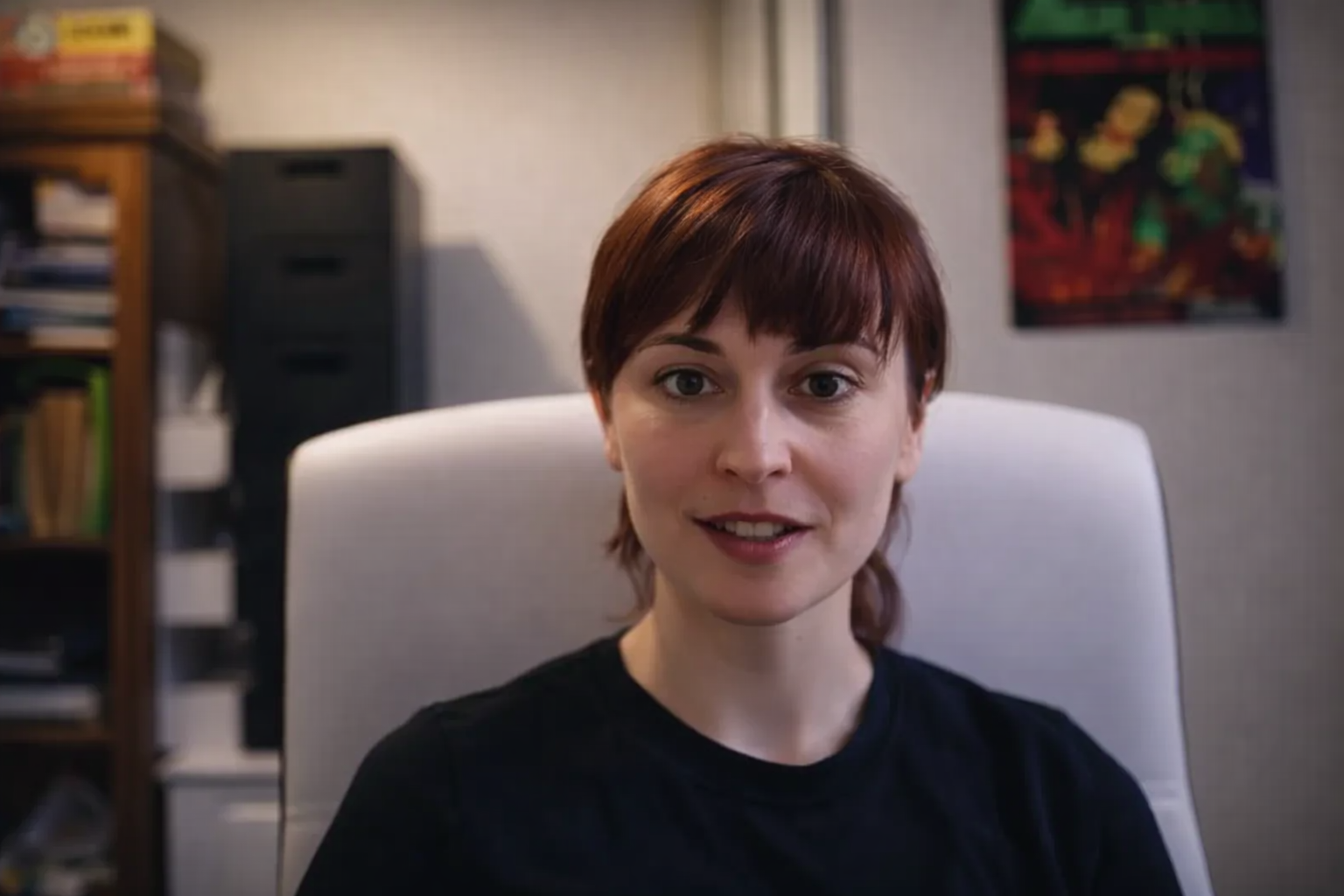
Who Is Yvette Amos?
Yvette Amos is a name that suddenly captured global attention during a time when remote interviews and video calls became part of everyday life. While she was not a public figure before her viral moment, her unexpected rise to internet fame turned her into a widely recognized personality almost overnight. Her story is a fascinating example of how digital culture can elevate ordinary individuals into viral sensations, often for reasons completely beyond their control.
Before her moment in the spotlight, Yvette Amos lived a relatively private life. She was known to be based in Wales and had interests aligned with social issues, particularly housing and community matters. She appeared on television not as an entertainer or influencer, but as someone discussing serious topics affecting society. This makes her viral fame even more intriguing, as it stemmed from a serious interview rather than intentional content creation.
The Viral BBC Interview That Changed Everything
Yvette Amos gained international attention after appearing on a remote interview with BBC Wales. The interview focused on housing conditions during lockdown, an important and timely issue. However, what viewers noticed had little to do with the conversation itself.
Behind Yvette Amos, in the background of her video call, viewers spotted an object placed on a bookshelf that sparked widespread curiosity and amusement. Social media quickly erupted with reactions, screenshots, and memes. Within hours, her name began trending across platforms like Twitter and Facebook, with people around the world discussing the now-famous interview.
The moment was not staged or intentional. It was simply a glimpse into a real person’s living space during a live broadcast. This authenticity is part of what made the clip so compelling and relatable.
How Social Media Amplified the Moment
The rapid spread of Yvette Amos’s interview highlights the power of social media in shaping modern fame. Platforms like Twitter, Instagram, and TikTok played a crucial role in turning a brief television appearance into a global talking point.
Users shared clips, created memes, and speculated about the background detail that had caught their attention. Some people found humor in the situation, while others discussed the broader implications of privacy in the age of remote work and video calls. The viral nature of the moment demonstrates how quickly content can spread and how audiences often focus on unexpected details.
Yvette Amos became a trending topic not just in the UK, but internationally. This kind of exposure is rare for someone who was not previously in the public eye, and it illustrates the unpredictable nature of internet culture.
Public Reaction and Media Coverage
Following the viral clip, media outlets around the world picked up the story. News articles, blog posts, and commentary pieces analyzed the moment from various angles. Some focused on the humor, while others explored themes of privacy, professionalism, and the human side of remote work.
Yvette Amos herself responded with humor and grace. Rather than expressing frustration or embarrassment, she acknowledged the situation in a lighthearted manner. This response helped shape public perception, turning what could have been an awkward moment into a charming and relatable story.
The public reaction was largely positive. Many people appreciated her authenticity and found the situation amusing rather than scandalous. In a time when much of the world was dealing with stress and uncertainty, the moment provided a brief sense of levity.
The Cultural Impact of the Incident
The story of Yvette Amos is more than just a viral clip. It reflects broader cultural shifts that have taken place in recent years. With the rise of remote work and virtual communication, people are increasingly inviting others into their personal spaces through video calls.
This has blurred the lines between public and private life. The background of a video call, once an afterthought, has become an important aspect of how individuals present themselves. The incident involving Yvette Amos serves as a reminder of how easily personal details can become public in the digital age.
It also highlights the human element of these interactions. Unlike polished television productions, remote interviews often reveal the realities of everyday life. This authenticity can be both refreshing and unpredictable.
Life After Going Viral
For Yvette Amos, the sudden surge in attention brought both opportunities and challenges. While some individuals leverage viral fame to build careers in media or social influencing, not everyone seeks or desires that level of visibility.
Yvette Amos did not actively pursue fame following her viral moment. Instead, she maintained a relatively low profile, focusing on her personal and professional life. This decision reflects a different approach to internet fame, one that prioritizes privacy and authenticity over publicity.
Her story serves as a reminder that not all viral figures aim to become celebrities. Sometimes, a moment of attention is just that—a moment—rather than the beginning of a long-term public career.
Lessons from the Yvette Amos Story
The experience of Yvette Amos offers several insights into modern digital culture. One of the key lessons is the importance of awareness when participating in video calls or online broadcasts. Even small details in the background can attract attention and become the focus of public discussion.
Another lesson is the unpredictable nature of viral content. What captures the internet’s attention is often unexpected and cannot be easily replicated. This makes viral fame both exciting and uncontrollable.
Finally, the story highlights the value of authenticity. Yvette Amos’s genuine and relaxed response to the situation contributed to the positive reception she received. In a digital landscape often dominated by curated content, authenticity continues to resonate with audiences.
The Broader Context of Internet Fame
The rise of Yvette Amos fits into a larger pattern of individuals gaining sudden fame through viral moments. From accidental appearances in the background of photos to unexpected comments during live broadcasts, the internet has a unique ability to spotlight ordinary people.
This phenomenon raises important questions about privacy, consent, and the impact of sudden visibility. While some individuals embrace the attention, others may find it overwhelming. The experience can vary greatly depending on personal preferences and circumstances.
Yvette Amos’s story stands out because of its relatively positive outcome. She managed to navigate the situation with humor and dignity, avoiding the negative aspects that sometimes accompany viral fame.
Why People Connected with the Story
One reason the story of Yvette Amos resonated with so many people is its relatability. During the period when the interview took place, millions of individuals were working from home and participating in video calls. The idea that something in the background could unexpectedly draw attention was a shared experience.
The moment also provided a sense of connection. In a time of isolation, people found common ground in discussing and laughing about the incident. It became a small but meaningful example of how shared experiences can bring people together.
Additionally, the story offered a break from more serious news. While the interview itself addressed an important issue, the viral moment added a lighter dimension that appealed to a wide audience.
The Lasting Legacy of the Moment
Although the viral attention surrounding Yvette Amos eventually faded, the story remains a notable example of internet culture. It continues to be referenced in discussions about remote work, video call etiquette, and the unpredictability of online fame.
Yvette Amos’s brief moment in the spotlight serves as a reminder of how quickly ordinary situations can become extraordinary in the digital age. It also underscores the importance of approaching such moments with a sense of humor and perspective.
Her story is not just about a viral clip, but about the intersection of technology, media, and human experience. It captures a unique moment in time when the world was adapting to new ways of living and communicating.
FAQs About Yvette Amos
Who is Yvette Amos?
Yvette Amos is a Welsh woman who became an internet sensation after appearing in a BBC Wales interview that went viral due to an unexpected background detail.
Why did Yvette Amos go viral?
She went viral because viewers noticed an unusual object in the background of her video interview, which quickly became a topic of discussion on social media.
What was the interview about?
The interview focused on housing conditions during lockdown, a serious and relevant topic at the time.
How did Yvette Amos react to the viral attention?
She responded with humor and grace, acknowledging the situation without making a big issue out of it.
Did Yvette Amos become a public figure afterward?
No, she largely maintained a private life and did not actively pursue a career in the public spotlight after her viral moment.
